Conservation
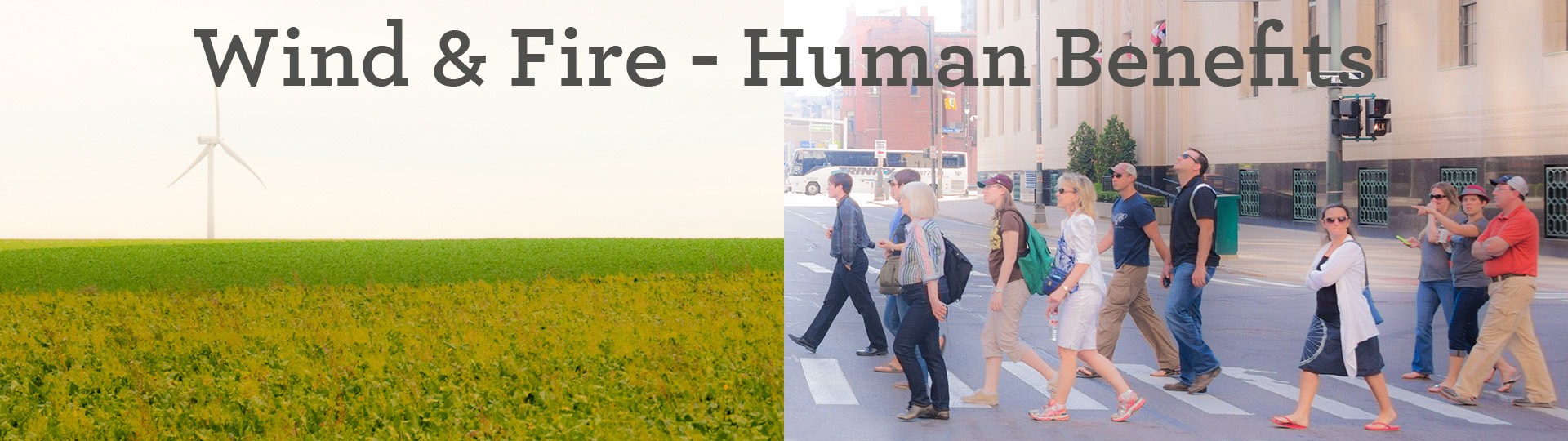
The fastest path to progress on energy use is to change the ways we live because that doesn’t depend on some future technology. Making existing places more compact, mixed-use, and walkable can also help transform them into places people love. And in places we can walk to work or walk to the grocery store require far less energy per person than those where everyone is forced to drive.
Car Poverty Avoidance
The average cost of owning and driving a car in the US rose above $9,000 per year in 2013. A family of four with two teen drivers living in an auto-dominated place where everyone has to drive to work, school, and other necessities spends $36,000 per year on cars. If they lived in a highly walkable place where everyone could walk to work and school, and could spend that money on a home instead, that money would let them make payments on a $600,000 house at today’s mortgage rates. Part of those savings, of course, are from gasoline. Another big financial benefit is that walking to daily needs makes us healthier, reducing medical costs and extending our lives, so we can work later into life if we choose.
Stability
This is your first blog entry. What are you waiting for? Replace this text with some of your own and start blogging!