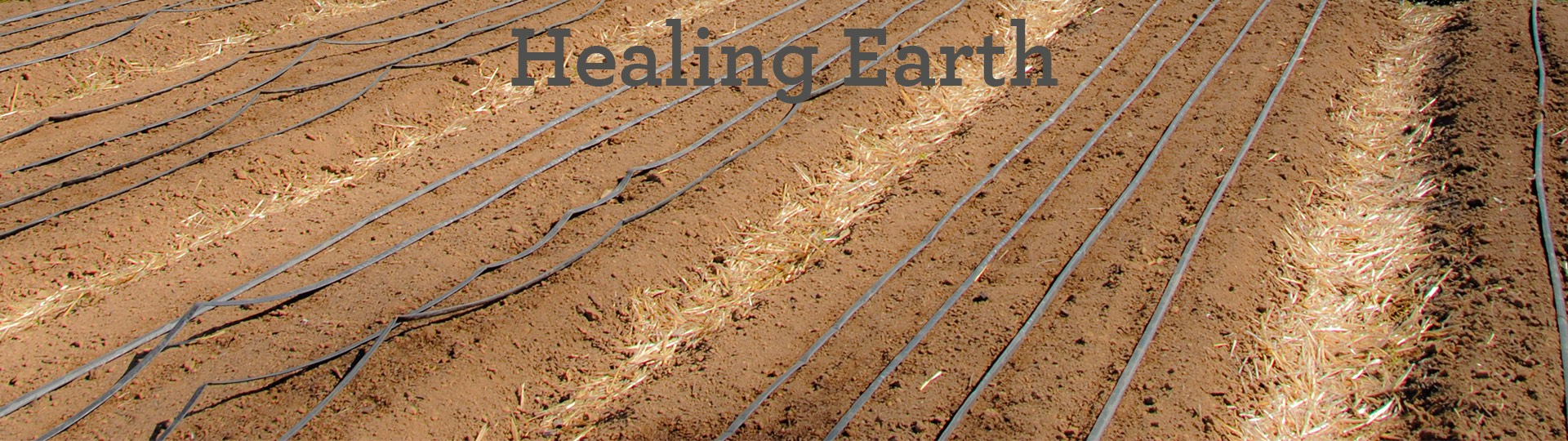
Nature is an immense soil-making machine in all but the hottest or coldest parts of the planet. Making more clean, healthy topsoil isn’t rocket science. Instead, it’s a mostly a matter of stopping the harmful things we’re doing to our topsoil and doing just a few other things to help nature do its job.
Grow Things to Eat
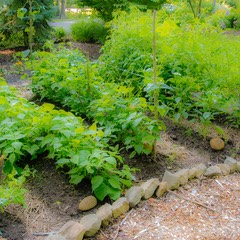
Why should your yard lay fallow while you spend more of your money at the grocery store? The food that is most enjoyable and healthiest for you is usually the food you raise yourself or that is raised nearby. The ultimate goal of changing soil in the city is to make it so healthy that we’ll want to eat the food that’s grown in it.
Who can do this? You can.
What does it cost? The biggest cost is your time spent in the garden. Seeds are inexpensive if you buy them, or free if you save them from last year’s crop. Compost is free or nearly free if you use your own kitchen scraps and garden trimmings.
Who can help? You can. If you don’t have a green thumb and don’t want to grow one, you can support your local neighborhood gardeners by buying their produce.
Cleanse
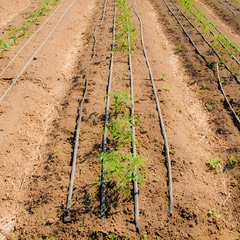
Not all soil in the city is contaminated, but if your soil is, there are now a number of remediation measures short of hauling the soil away that we can use to remove the contamination.
Who can do this? You can hire someone to do this, but you'll need to check first with the city Health Department or Environmental Services department to see if they require a permit for the work.
What does it cost? That varies, according to what the contaminants are in your soil.
Who can help? Check with your local agricultural extension office.
Compost
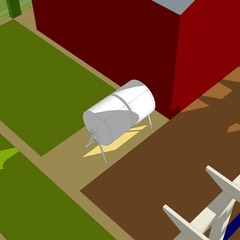
The best way to transform poor soil into healthy soil is with compost, which begins with both green clippings such as leaves and grass, and food scraps. Your neighborhood should have a central compost station using green clippings from parks, streets, and other public areas plus food scraps from neighborhood restaurants. If you live in a house cluster like a bungalow court, cottage court, or apartment building, you and your neighbors should compost together. Composting on your own lot is easy. And regardless of the scale, composting green clippings keeps them out of the storm sewers, lakes, streams and rivers where they cause algae growth and aquatic weeds, and composting food scraps keeps them out of landfills, where they not only take up space, but release climate change gases.
Who can do this? You can, on your lot. For cluster-sized or neighborhood-sized composting, you and your neighbors may want to go together and hire a landscape company to do it.
What does it cost? A good pair of compost drums can cost as little as $100 or less. After you buy the drums, there is no cost except for your time.
Who can help? There are a number of composting resource organizations, but you may not need them. Composting is really simple: use roughly half kitchen scraps and half garden clippings. Add to one drum regularly; turn both drums every time you add to the new drum. Once the new drum is full, empty the old drum into your garden and the emptied drum becomes your new drum. That’s pretty much it.
Start a Community Garden
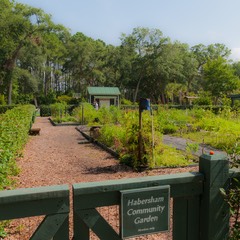
Some people want to raise just a little food; a community garden is ideal for them. In a community garden, everyone is allotted a plot of garden space, and they share a fence to keep four-legged critters out, a tool shed, irrigation water, and sometimes tools. Community gardens can be started on a vacant lot or two, and can be moved elsewhere in the neighborhood later on.
Who can do this? Your neighborhood. You or one of your neighbors who likes to garden will need to organize the garden.
Who can do this? You need to do this with your neighborhood.
What does it cost? Your neighborhood will need to find vacant lots or other vacant land where you can establish the community garden.
Who can help?
Build a Neighborhood Farmers Market
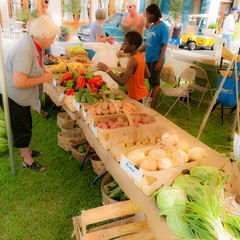
Not everyone wants to raise their own food, but every neighborhood needs a farmers market where those in the neighborhood who raise more than they can eat can sell it, and where farmers from the surrounding countryside can sell their produce as well. Farmers markets are very simple and can even be built for free if you and your neighbors use salvaged materials like shipping palettes.
Who can do this?
What does it cost?
Who can help?